
Workplace Cleaning Compliance Guide NSW
Workplace cleaning compliance in NSW is less about a single cleaning law and more about how cleaning supports the duties your business already has. Under the Work Health and Safety Act 2011 (NSW) and the Work Health and Safety Regulation 2017, the person conducting a business or undertaking must keep the workplace and its amenities safe and clean, and food businesses, childcare services and medical practices each have extra standards on top. This guide explains what those rules mean in practice for warehouses, offices, clinics and childcare centres around Wetherill Park NSW 2164, and how a written cleaning scope helps you show you are meeting them.
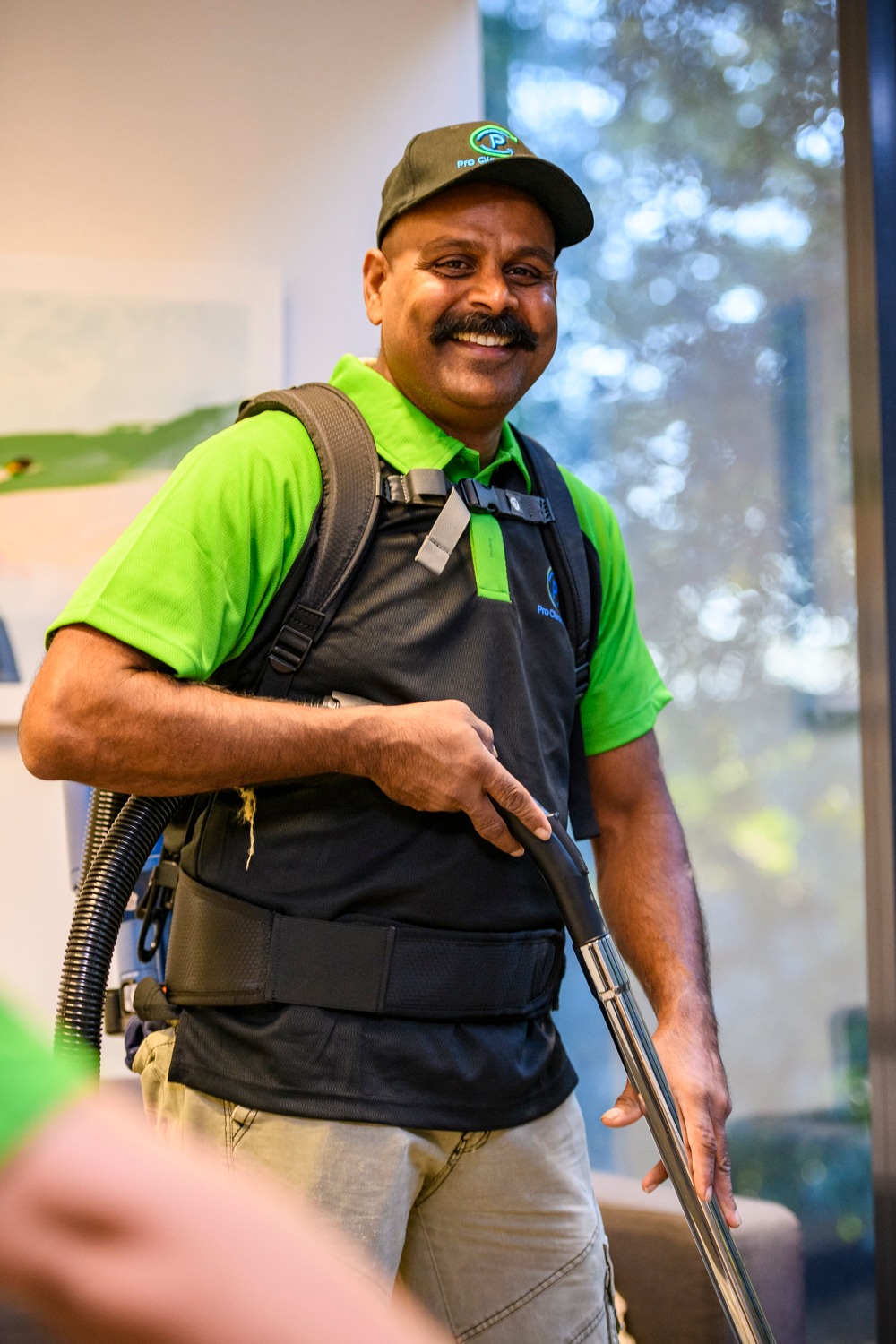
Explains scope in a way facilities teams can use immediately.
Builds trust by showing the practical side of delivery, not just promises.
Guides you toward the right service once your cleaning requirements are clearer.
Our Service Approach
The starting point is the primary duty of care. A business must ensure, so far as is reasonably practicable, that the workplace is without risks to health and safety. Cleaning is part of that: spills, dust build-up, blocked walkways, overflowing bins and dirty amenities are all hazards. The WHS Regulation also requires businesses to provide adequate facilities for workers, including toilets, drinking water, hand washing and eating areas, and to keep them in good working order, clean, safe and accessible. Safe Work Australia's Code of Practice on managing the work environment and facilities, which applies in NSW, gives practical detail on what clean and accessible looks like.
In a warehouse or factory in the Smithfield-Wetherill Park Industrial Estate, the biggest cleaning-related risks are slips and trips. Oil and coolant leaks, pallet debris, shrink-wrap offcuts, dust on sealed concrete and water tracked in from loading docks all make floors slippery or uneven. A compliant approach is to clean walkways and forklift routes on a fixed schedule, deal with spills straight away, keep emergency exits and fire equipment clear, and record what was cleaned and when. Dust on high racking and ledges is also worth scheduling, because it settles back onto stock and floors.
Cleaning chemicals bring their own obligations. Many commercial cleaning products are classed as hazardous chemicals, which means they must be correctly labelled, stored safely and covered by a current Safety Data Sheet that workers can access. Where hazardous chemicals are used or stored at a workplace, the business must keep a register of them along with their Safety Data Sheets. If a contractor brings chemicals onto your site, ask for the Safety Data Sheets so your register and induction information stay complete.
Using a cleaning contractor does not hand your duties to someone else. When more than one business has a duty for the same work, as happens when a contractor cleans your premises, each must consult, cooperate and coordinate with the others. In practice that means agreeing the scope in writing, inducting the cleaners to your site rules, sharing information about hazards such as forklifts or restricted areas, checking the contractor's insurance and keeping a way to report and fix problems. A written, itemised cleaning scope is the simplest evidence that these conversations have happened.
Food businesses carry extra requirements. Under the Food Standards Code, which is enforced in NSW through the Food Act 2003, food premises, fixtures, fittings and equipment must be kept clean, and surfaces that touch food must be cleaned and sanitised. Kitchens in cafes, canteens and food-processing sites need a cleaning schedule that separates food-contact surfaces from general cleaning, uses products suitable for food areas, and is followed consistently. Staff kitchens in ordinary offices are not food businesses, but the same habits prevent most hygiene complaints.
Childcare services are covered by the Education and Care Services National Regulations, which require premises, furniture and equipment to be safe, clean and in good repair, and set expectations for hygiene in nappy change, toileting and food areas. Assessors look at whether cleaning is routine and documented, not just whether rooms look clean on the day. Medical and allied health practices seeking accreditation work to infection prevention and control requirements in their accreditation standards, which draw on the national infection control guidelines for healthcare and include routine environmental cleaning of consulting rooms, treatment areas and waiting rooms.
Whatever your industry, compliance comes down to four things you can show an inspector or assessor: a written cleaning scope that lists each area and how often it is cleaned, records that the cleaning happened, Safety Data Sheets and a register for the chemicals used, and a process for reporting and fixing problems. Pro Clean Corp provides fixed, itemised scopes for every site, uses police-checked cleaners who are directly employed by us, carries $20M public liability insurance, supplies Safety Data Sheets on request and resolves reported issues within 24 hours. This guide is general information, not legal advice; check SafeWork NSW, your local council or your regulator for requirements that apply to your business. Call 02 5502 3934 to talk through a scope for your site.
Who We Serve
- Businesses specifically searching for workplace cleaning compliance guide nsw in Wetherill Park.
- Warehouse, trade, office, strata, or mixed commercial sites where timing and access matter.
- Managers comparing multiple operational cleaning options before requesting a quote.
Common Site Questions
Common questions from commercial operators
Is there a specific law for workplace cleaning in NSW?
There is no single cleaning law. Cleaning supports duties under the Work Health and Safety Act 2011 (NSW) and the Work Health and Safety Regulation 2017, which require businesses to keep the workplace safe and keep amenities such as toilets, washing and eating areas clean and in good working order. Food, childcare and healthcare businesses have extra standards on top.
Who is responsible for cleaning compliance if we use a contractor?
Both businesses have duties. The business that controls the workplace keeps its duty of care, and the cleaning contractor has duties for its own work. They must consult, cooperate and coordinate, for example by agreeing a written scope, inducting cleaners to site rules and sharing hazard information.
Do we need Safety Data Sheets for cleaning products?
If a cleaning product is classed as a hazardous chemical, a current Safety Data Sheet must be accessible and the chemical included in the workplace's hazardous chemicals register. Ask your cleaning contractor for the Safety Data Sheets for the products they use on your site.
What cleaning records should we keep?
Keep the written cleaning scope, records showing when each area was cleaned, Safety Data Sheets for the chemicals used, and a log of reported problems and how they were fixed. Childcare services and medical practices are often asked for these records during assessment or accreditation.
Is this guide legal advice?
No. It is general information to help Wetherill Park businesses plan their cleaning. Check SafeWork NSW, your local council or your industry regulator for the requirements that apply to your business.
Our Standards
Trusted commercial cleaning with consistent standards on every site
Our local team brings the same standards to every commercial site in Wetherill Park.